




HTS’s Escalating Campaign in Northern Syria: Assaults on Kurdish Territories, ISIS Prisoner Releases, and Reports of Massacres Against Kurds and Christians
Damascus, Syria – January 20, 2026 – In the volatile landscape of post-Assad Syria, Hay’at Tahrir al-Sham (HTS), the dominant Islamist group now controlling much of the country under interim President Ahmed al-Sharaa (formerly known as Abu Mohammad al-Jolani), has intensified its operations in northern regions. What began as a rapid offensive in late 2024 has evolved into a multifaceted conflict involving territorial grabs, the controversial release of ISIS detainees, and widespread allegations of atrocities targeting ethnic and religious minorities, particularly Kurds and Christians. As Syria marks over a year since the fall of Bashar al-Assad’s regime, these developments raise serious concerns about the nation’s stability and the potential resurgence of extremist violence.The overthrow of Assad in December 2024, led by HTS and allied rebel forces, was initially hailed by some international observers as a turning point toward reconciliation.
However, the group’s expansionist ambitions have clashed with the Syrian Democratic Forces (SDF), a Kurdish-led alliance that controls northeastern Syria. HTS’s attacks on Kurdish regions, often in coordination with Turkish-backed militias like the Syrian National Army (SNA), have displaced thousands and sparked fears of ethnic cleansing.The Assault on Kurdish RegionsHTS’s incursions into Kurdish-held territories began escalating in early 2025, focusing on strategic areas such as Manbij, Kobane (Ain al-Arab), and the Tishrin Dam.
These offensives are part of a broader push to “liberate” eastern Syria from what HTS describes as “separatist” forces, a rhetoric that echoes Turkish President Recep Tayyip Erdogan’s long-standing opposition to Kurdish autonomy.
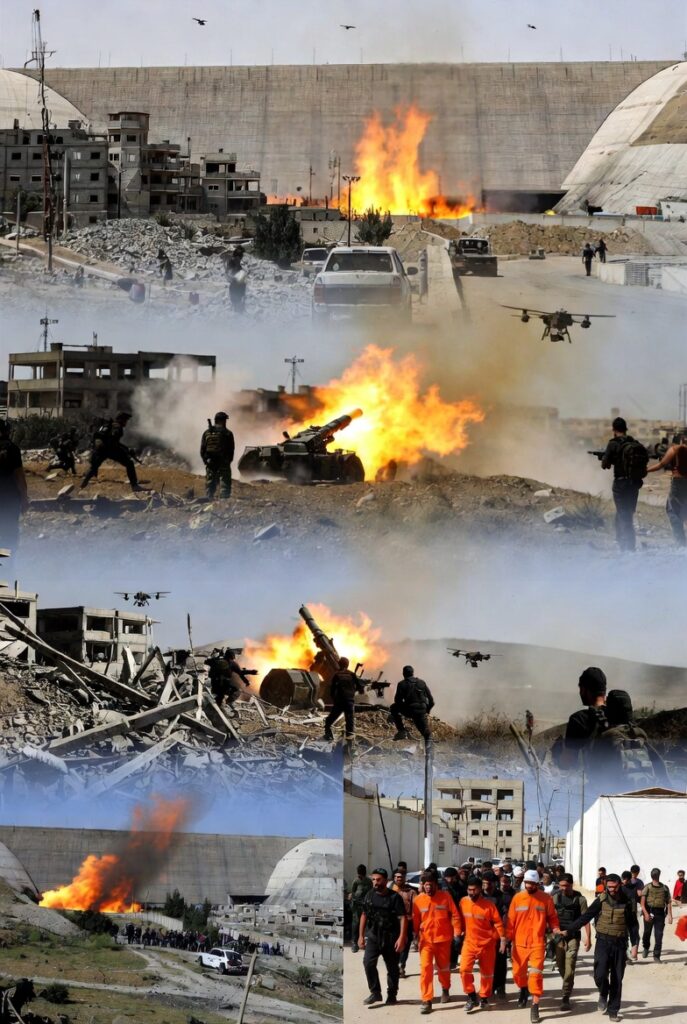
Reports indicate that HTS and SNA forces have employed artillery, drones, and ground assaults, resulting in heavy casualties. In January 2026 alone, clashes near the Tishrin Dam reportedly left over 280 dead, including civilians.
The Kurdish-led SDF, which played a pivotal role in defeating ISIS with U.S. support, has accused HTS of orchestrating these attacks to dismantle their autonomous administration in Rojava (northeastern Syria).
SDF commander Mazloum Abdi has warned that such aggression could lead to a “bloodbath,” urging international intervention.
Human rights groups, including Human Rights Watch, have documented patterns of abuse, including arbitrary detentions, looting, and forced displacements targeting Kurds.
In Aleppo’s Sheikh Maqsoud and Ashrafiyeh neighborhoods, home to around 300,000 Kurds, HTS forces imposed curfews and shelled civilian areas in early 2026, leading to mass evacuations.
Turkey’s involvement adds a layer of complexity. Ankara views the SDF as an extension of the Kurdistan Workers’ Party (PKK), a designated terrorist group, and has provided logistical support to HTS and SNA in these operations.
This alliance has drawn criticism from U.S. officials, including Senator Lindsey Graham, who expressed concerns over the erosion of America’s partnership with the SDF.
Despite a March 2025 integration agreement between the SDF and the Syrian government, which aimed to merge forces and share governance, implementation has stalled amid renewed hostilities.
The Release of ISIS Terrorists Compounding the crisis is the fate of thousands of ISIS detainees held in SDF-controlled prisons and camps, such as Al-Hol and Shaddadi. As HTS and Syrian government forces advance, these facilities have fallen under their control, leading to reports of mass releases.
In January 2026, Syrian troops reportedly began freeing ISIS inmates from Al-Aqtan and Shaddadi prisons, with attempts at a breakout in Al-Hol, where ISIS families are detained.
The SDF has accused Damascus of these releases, warning that it could fuel an ISIS resurgence.
HTS’s history with ISIS is fraught; once rivals, the groups share ideological roots in jihadism.
Critics argue that releases serve HTS’s interests by bolstering forces against the SDF or distracting from internal dissent.
The International Center for Counter-Terrorism (ICCT) has highlighted the risk of ISIS exploiting Syria’s fragmentation.
U.S. Central Command has voiced alarm, noting that such actions undermine years of efforts to contain ISIS.
Estimates suggest up to 9,000 ISIS fighters and affiliates could be freed, posing threats not only to Syria but regionally.
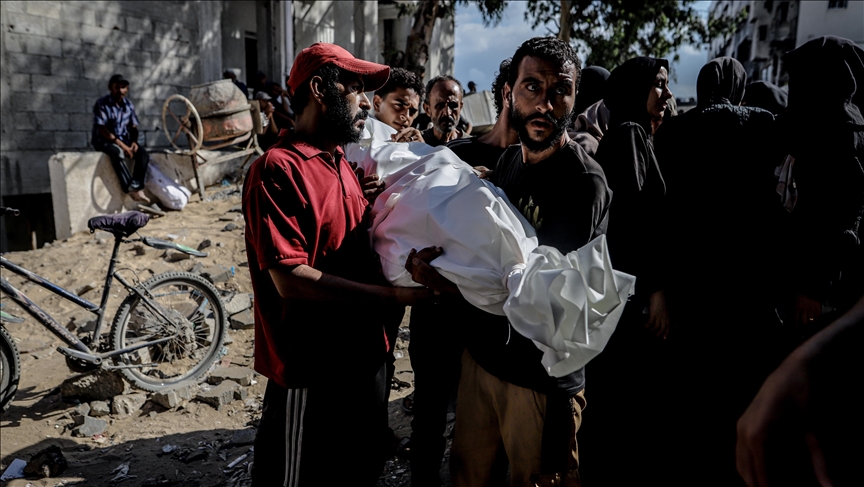
Alleged Massacres Against Kurds and Christians The human cost has been devastating, with reports of targeted killings against minorities. Kurds have borne the brunt in northern clashes, with SNA forces accused of kidnappings, beatings, and executions.
In Hasakah, unverified videos show SDF fighters beheaded by government forces in an “ISIS-style” manner.
The Washington Kurdish Institute reports drone and artillery strikes killing dozens, including women and children.
Christians, a vulnerable minority, have faced similar horrors. In coastal provinces like Latakia, HTS loyalists and gangs carried out massacres in March 2025, killing hundreds, including Christians and Alawites.
The BBC documented over 800 extrajudicial killings between March 6-10, 2025.
Christian communities in Homs and Aleppo report rapes, lootings, and forced conversions under sharia enforcement.
The U.S. State Department condemned the escalation, urging accountability for perpetrators.
state.gov
These atrocities echo HTS’s past under al-Qaeda affiliations, involving beheadings and sectarian violence.
Despite al-Sharaa’s pledges for inclusivity, a 2025 constitutional declaration prioritizing Islamic jurisprudence has alarmed minorities.
Human Rights Watch’s report “Are You Alawi?” details identity-based killings during the transition.
International Response and Future ImplicationsThe international community remains divided. The U.S. revoked HTS’s terrorist designation in July 2025, citing its dissolution and anti-terrorism commitments, but continues to back the SDF.
European nations, including France, have condemned sectarian violence against Druze and others.
Russia and Israel have offered refuge to minorities, with Israel protecting Druze in southern Syria.
Analysts warn that unchecked HTS aggression could fragment Syria further, potentially into ethnic enclaves.
The release of ISIS prisoners risks a terrorist revival, threatening regional security.
As U.S.  calls for de-escalation, the path to a unified Syria seems increasingly fraught


İLGİNİZİ ÇEKEBİLECEK DİĞER KONULAR
ZİYARETÇİ YORUMLARI
BİR YORUM YAZ